
EM-FIBERGLAS A/S
Resin Transfer Molding for composite parts with consistent quality
RTM molding for technical series with precise and stable structure
Are you faced with choosing a process for composite parts? Resin transfer molding is created for productions where strength, surface quality and uniformity must be stable from series to series. The method is used especially for fiberglass and fiberglass-based composites, where the material structure must be precise and reliable in technical environments.
The resin transfer molding process ensures a controlled resin distribution and high fiber content, which is crucial in technical RTM composites. The process is based on vacuum assistance, where dry fibers and core materials are placed in a mold, covered with foil and impregnated when the air is sucked out. This reduces air bubbles and provides a stable material structure that remains uniform throughout production.
This method is used when geometry, wall thickness and finish must be repeated precisely from part to part. Our documented process parameters ensure that quality and tolerances can be tracked and validated – a clear advantage in technical production environments. We also offer RIM, which provides a uniform structure, short cycle time, and a high-quality finish.
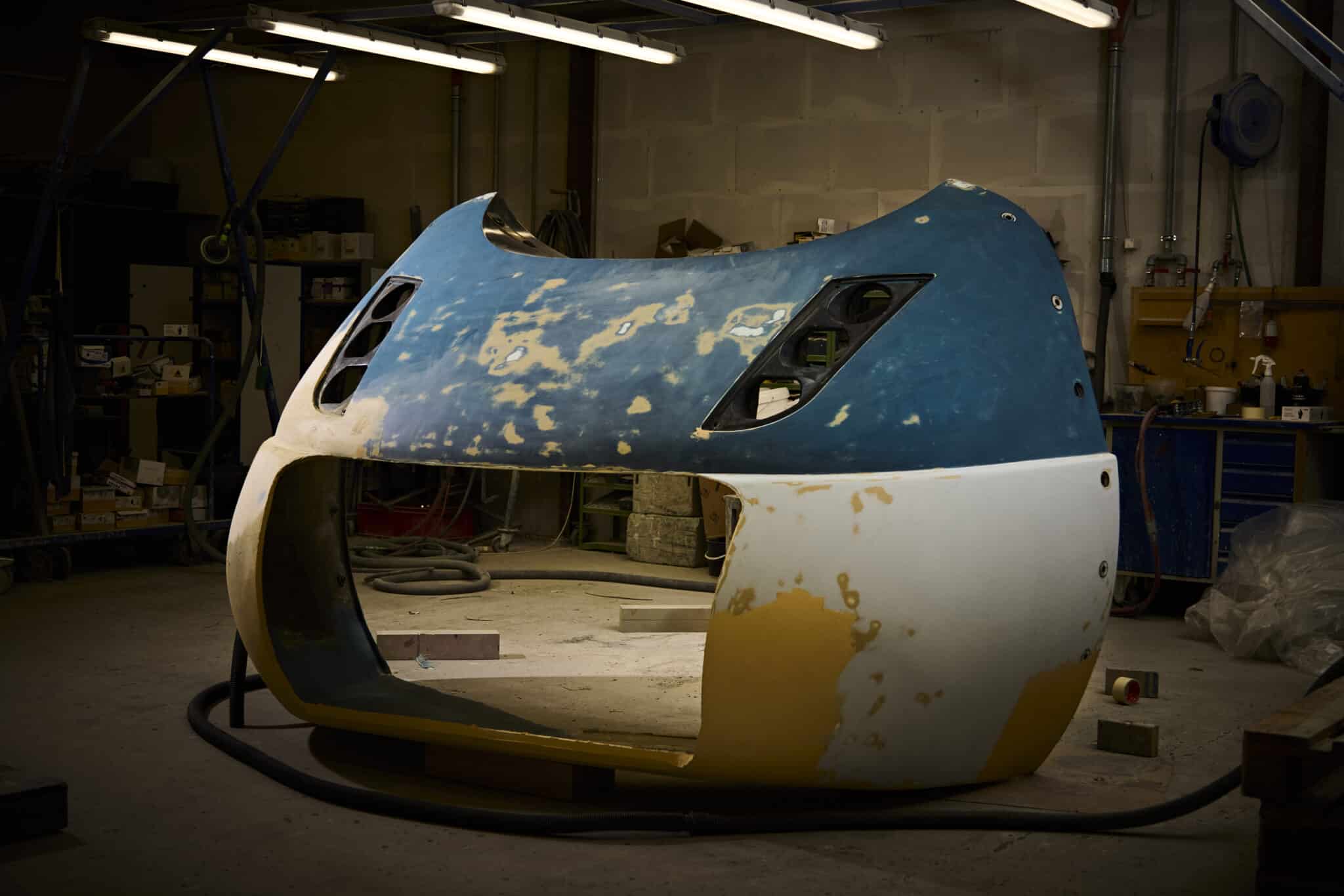

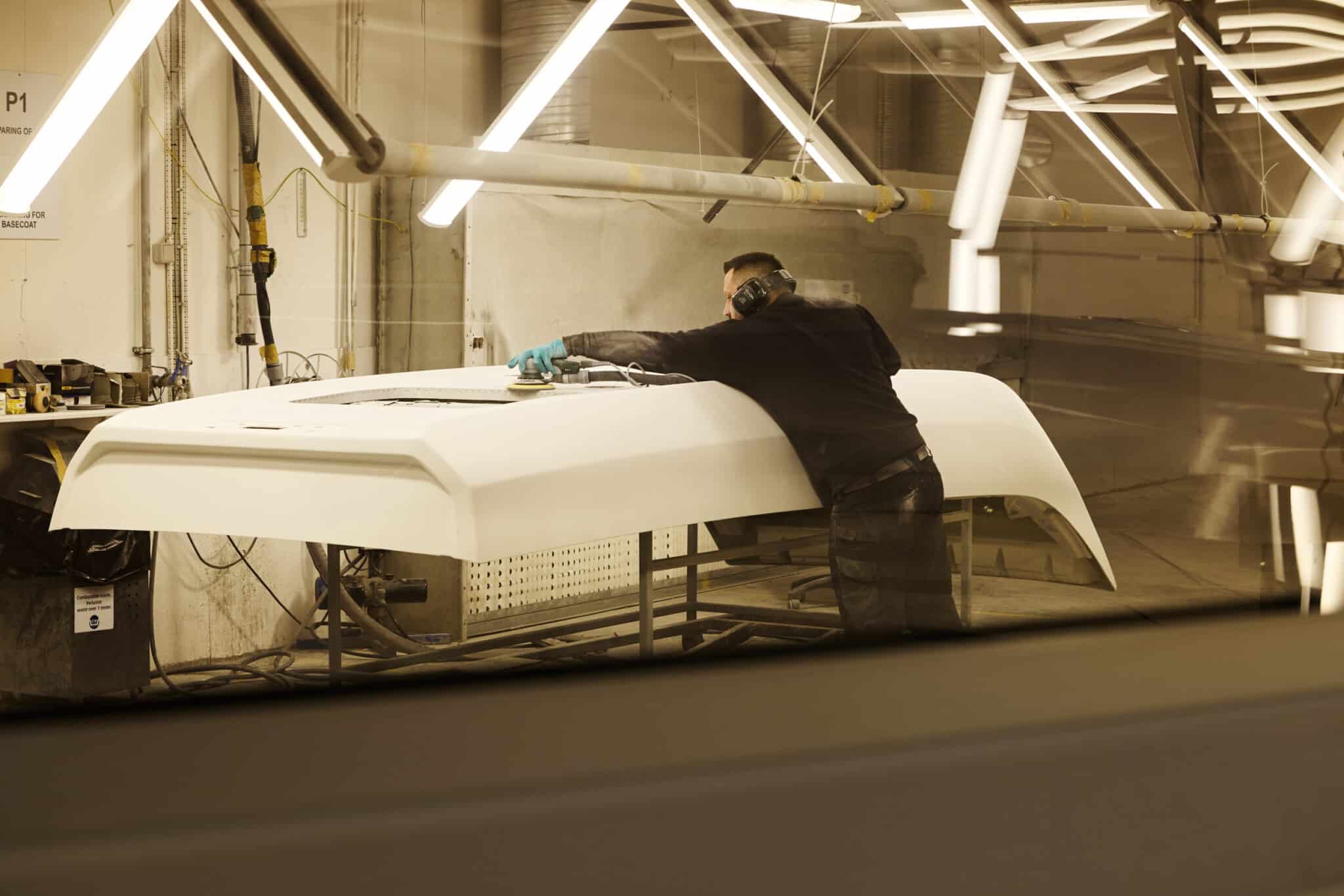
4 benefits when you choose us for resin transfer molding
- Good strength properties in the finished laminate
- Consistent and stable quality in every production
- Low mold costs at start-up
- Suitable for sandwich constructions and technical requirements
Over 50 years of experience
We have many years of experience and deep knowledge within composite materials, so you get the best solution for your needs.
Flexible production
We adapt materials and processes so you get exactly the combination of strength and weight you need.
Quality and safety
For us, quality and safety are paramount, and we always ensure durable and reliable solutions.
RTM light for series where finish and stability must be uniform
In RTM light, the foil is replaced by a rigid or semi-flexible composite back mold. The fibers are placed dry in the mold, the air is evacuated, and a vacuum distributes the resin evenly throughout the laminate. The method provides high surface quality on both sides and is used for medium and large series where finish and reproducibility are required.
RTM light is chosen when parts must have an identical finish on both sides and when production must be scalable without increased cycle time. We document vacuum levels, resin flow and cure times throughout the process, giving you a stable overview and a solution that can be safely repeated in practice.
How RTM molding works in industrial production processes
RTM molding is used when parts need to be uniform, strong and precise in both geometry and surface. The method is distinguished by:
• possibility of high fiber content
• uniform structure in large components
• reduced risk of errors in the impregnation
• high reproducibility in technical series
RTM molding also provides a controlled process where resin flow, material thickness and fiber orientation can be precisely controlled. This makes the technique particularly suitable for components that need to be manufactured in fixed series with requirements for documentable quality and stable mechanical properties.
This form of RTM molding creates a secure foundation for industrial productions where uniformity, durability and validable results are crucial for the finished composite part.
FAQ
– answers to the most frequently asked questions about resin transfer molding
What is resin transfer molding?
Resin transfer molding is a vacuum-based process where dry fibers are placed in a closed mold and resin is injected under controlled conditions. This results in a strong and uniform composite material.
What is the difference between resin infusion molding and resin transfer molding?
Infusion uses foil as a cover, while RTM uses a fixed back mold. RTM therefore provides the same finish on both sides and is better suited for larger series and technical requirements.
How do you choose between RTM and RTM light?
The choice depends on requirements for surface quality, batch size and cycle time. RTM light provides the same finish on both sides and is ideal for larger series, while classic RTM is suitable when flexibility and lower mold costs are most important.
Which component types are best suited for RTM?
The method is used for items with requirements for precise geometry, even material thickness and high reproducibility. This makes RTM particularly suitable for technical enclosures, structural elements and parts for the industrial and wind turbine sectors.
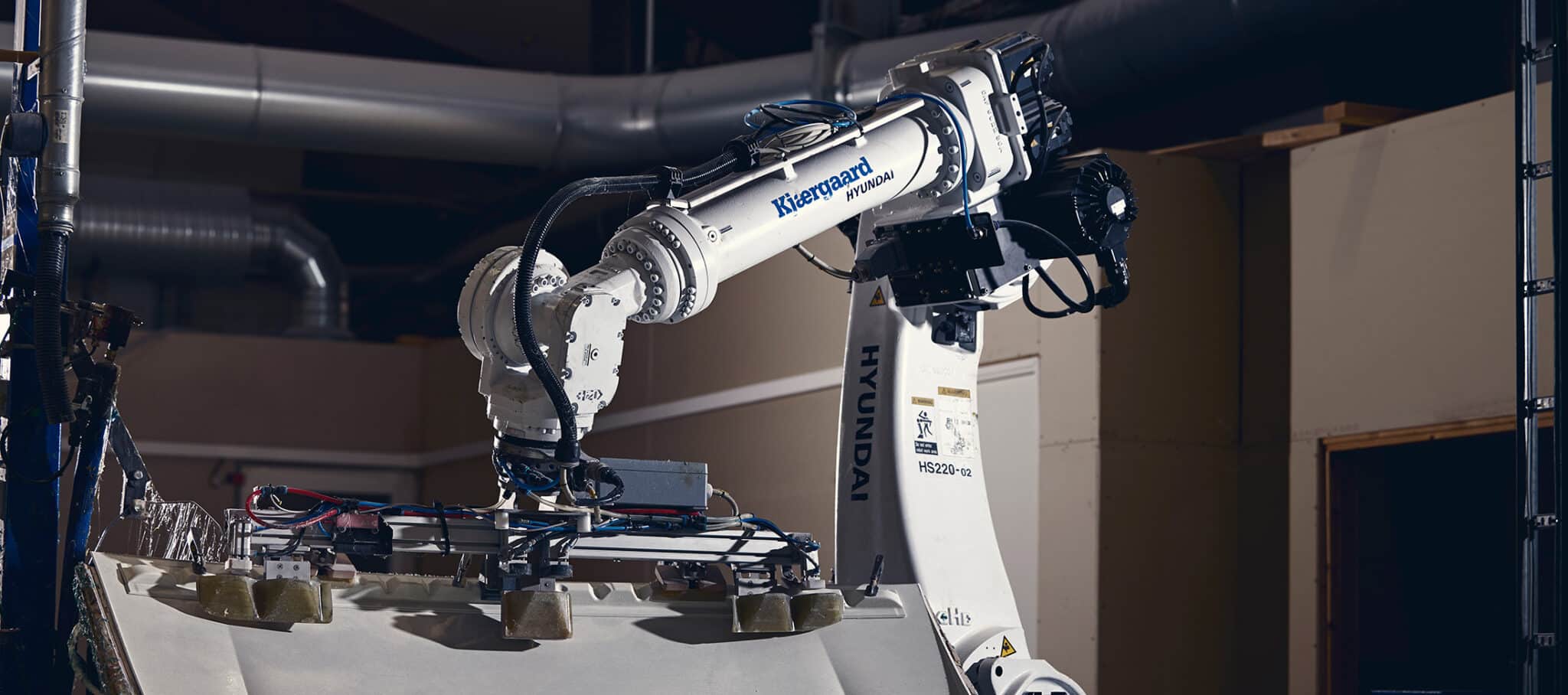
Resin transfer molding with stable quality
– contact us today
When your components need high strength, finish and reproducibility, a stable RTM process is essential. We help you choose a method, adapt materials and ensure production with consistent results in both small and large series.
Contact us at +45 75 68 73 11 or emfiber@em-fiberglas.dk.
Get in touch today – and experience the difference.
Write to EM Fiberglass
Inquiries will be answered within two business days.